Why Period Cramps Feel Worse in a Cold Room Than a Warm One
Quick Answer: Cold temperatures cause blood vessels to constrict, which can reduce blood flow to the uterus and intensify the cramping sensation, while warmth does the opposite — relaxing blood vessels and muscle tissue, which is the actual mechanism behind why a heating pad works, not just comfort.
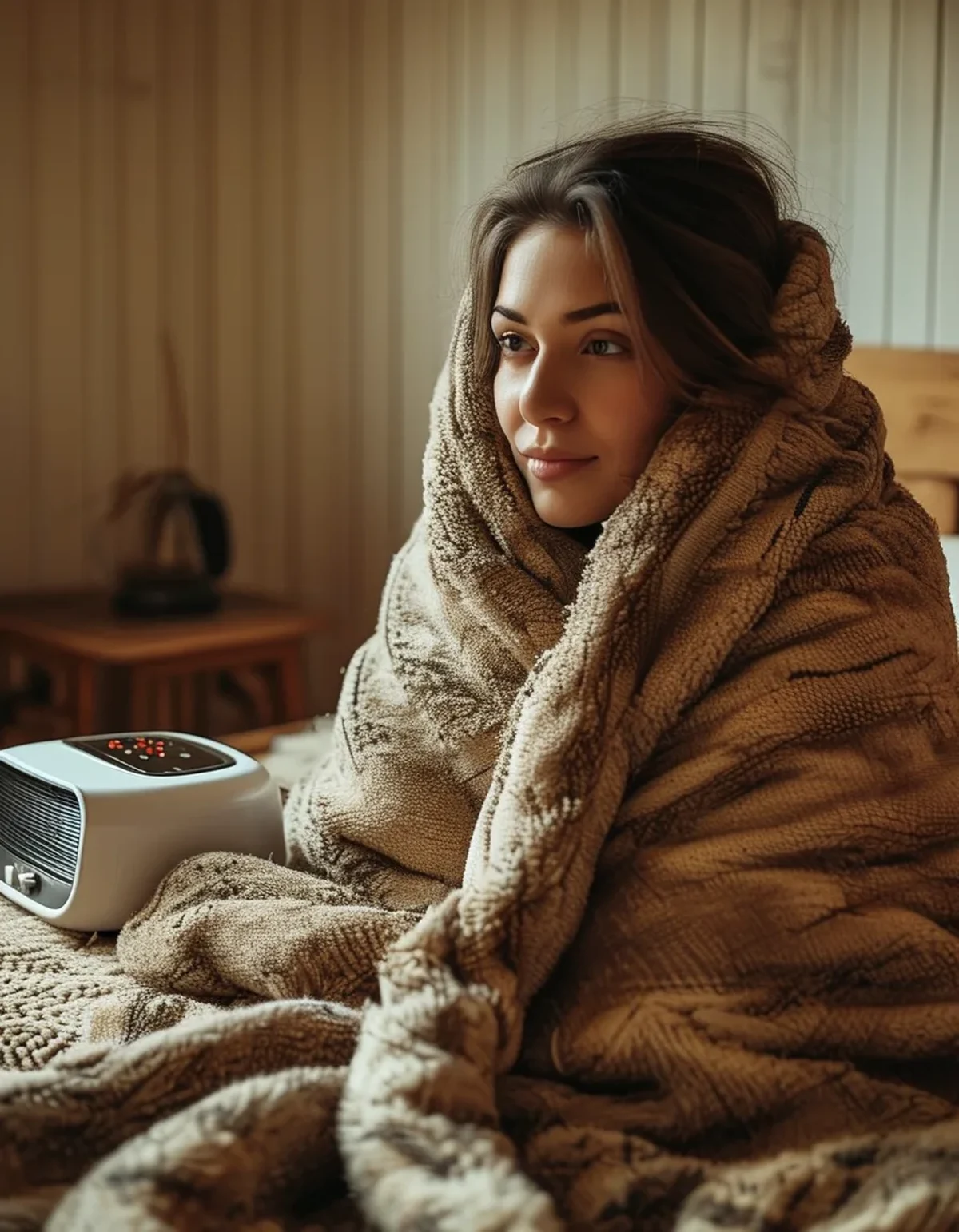
You’ve probably noticed it without connecting the dots: cramps feel sharper on a cold day or in an over-air-conditioned room, and noticeably more manageable curled up somewhere warm. That’s not just comfort-seeking. It’s a real physiological response to temperature.
Why does cold temperature specifically worsen cramping sensation?
Cold exposure causes vasoconstriction — blood vessels narrowing — as part of the body’s normal temperature-regulation response. Reduced blood flow to already-contracting uterine muscle can intensify the cramping sensation, since adequate blood flow helps clear some of the biochemical byproducts of muscle contraction that contribute to pain.
Is this why heating pads specifically help with period pain?
Yes — this is the actual mechanism behind heat therapy for cramps, not just a comfort effect. Heat causes vasodilation (blood vessels widening), improving blood flow to the area and helping relax the contracting uterine muscle, which directly reduces the cramping sensation rather than just distracting from it.

Does this mean staying warm throughout your period actually reduces cramp severity, not just the feeling of it?
For many people, yes, at least to some degree — maintaining warmth (layered clothing, a warm room, avoiding prolonged cold exposure) during the days cramps are most intense can meaningfully reduce their felt severity, on top of any additional heat therapy applied directly.
Are there other temperature-related factors that affect period pain?
Sudden temperature transitions — going from a warm space into cold, or vice versa — can also affect comfort, since the vasoconstriction/dilation response reacts to the change itself, not just the absolute temperature. A consistent, warm environment tends to be more comfortable than fluctuating between temperature extremes during this time.
Does this mean cold therapy has no role at all for period-related discomfort?
Cold isn’t generally recommended for cramping specifically, though it’s sometimes used for other period-related symptoms like headache. For uterine cramping itself, warmth is the physiologically supported approach based on the vasodilation mechanism described above.
TL;DR:
- Cold triggers vasoconstriction, reducing blood flow and intensifying cramping sensation
- Heat causes vasodilation, which is the real mechanism behind why heating pads help
- Staying generally warm during your period, not just using a heating pad, can reduce felt severity
- Cold therapy isn’t typically recommended for cramping specifically, unlike some other period symptoms
This is general information, not medical advice — cramps severe enough to disrupt daily activities are worth discussing with a doctor rather than managing with warmth alone.
Keep Reading
This article is for general informational purposes only and is not medical advice. Always consult a qualified health professional for guidance specific to you.